Asset 2 Conferences

Molecular Life of Diatoms 8

22-26 June 2025, Ghent, Belgium
Supported by VIB Training & Conferences
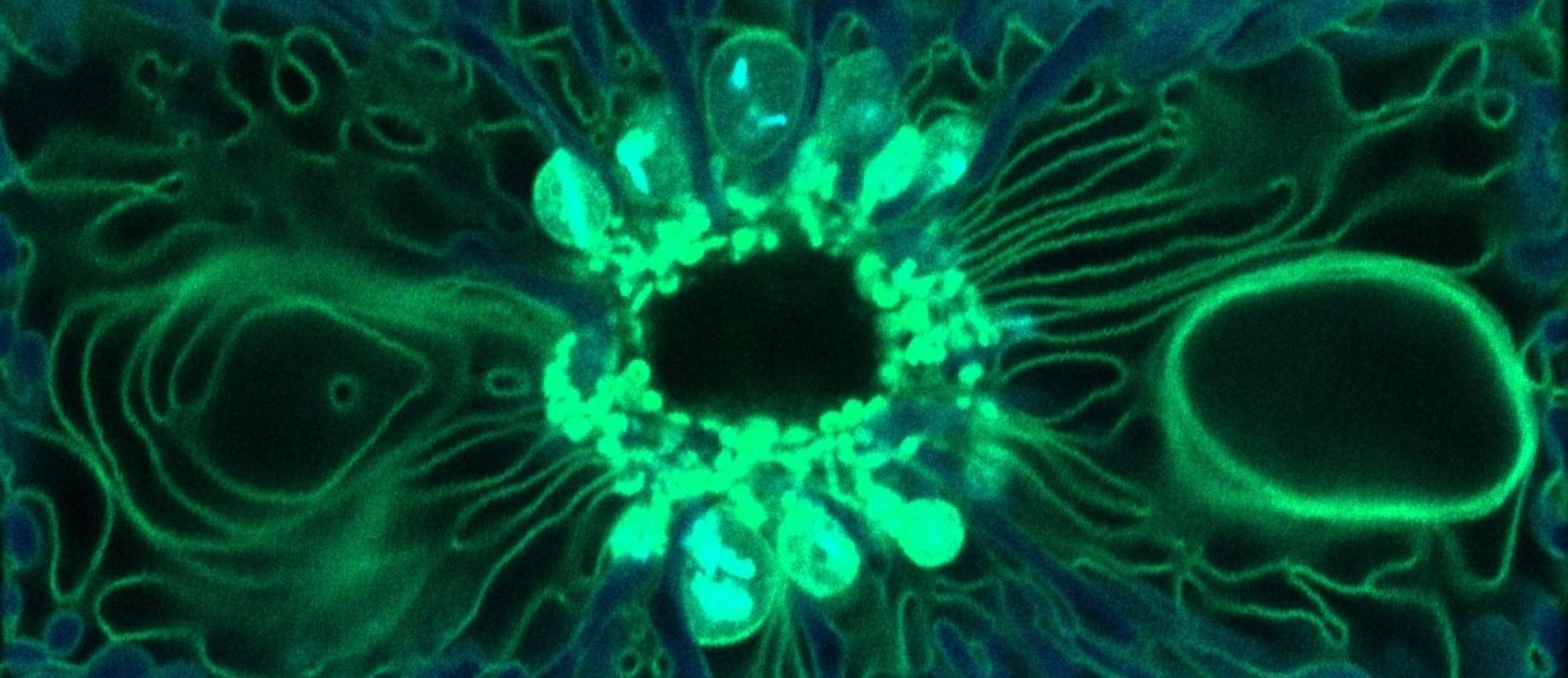
Campaign visual - MLD8

Molecular Life of Diatoms 8

Molecular Life of Diatoms 8

Supported by VIB Training & Conferences
Keep me postedAdd to calendar

Diatoms are an extremely diverse group of single-celled photosynthetic eukaryotes inhabiting aquatic and terrestrial habitats worldwide. Being responsible for about 20% of annual global carbon fixation, they play major roles in ocean food webs and global biogeochemical cycles. For the biotechnology industry, diatoms are a valued target because of their silica cell wall properties, high lipid content, and diverse secondary metabolites.

Omics and systems biology approaches, advanced (sub-)cellular imaging technologies and gene editing tools, have begun to reveal the genetic underpinnings of growth, reproduction, and responses to biotic and abiotic stressors in established and emerging model diatom species. Combined with the rapidly expanding genome-scale resources for ecologically and industrially important species, and insights from (meta)omics-based approaches on natural communities, these developments offer unprecedented opportunities to understand the biology, diversity, ecology, and evolution of diatoms, and apply synthetic biology strategies to enhance their unique metabolic capabilities.

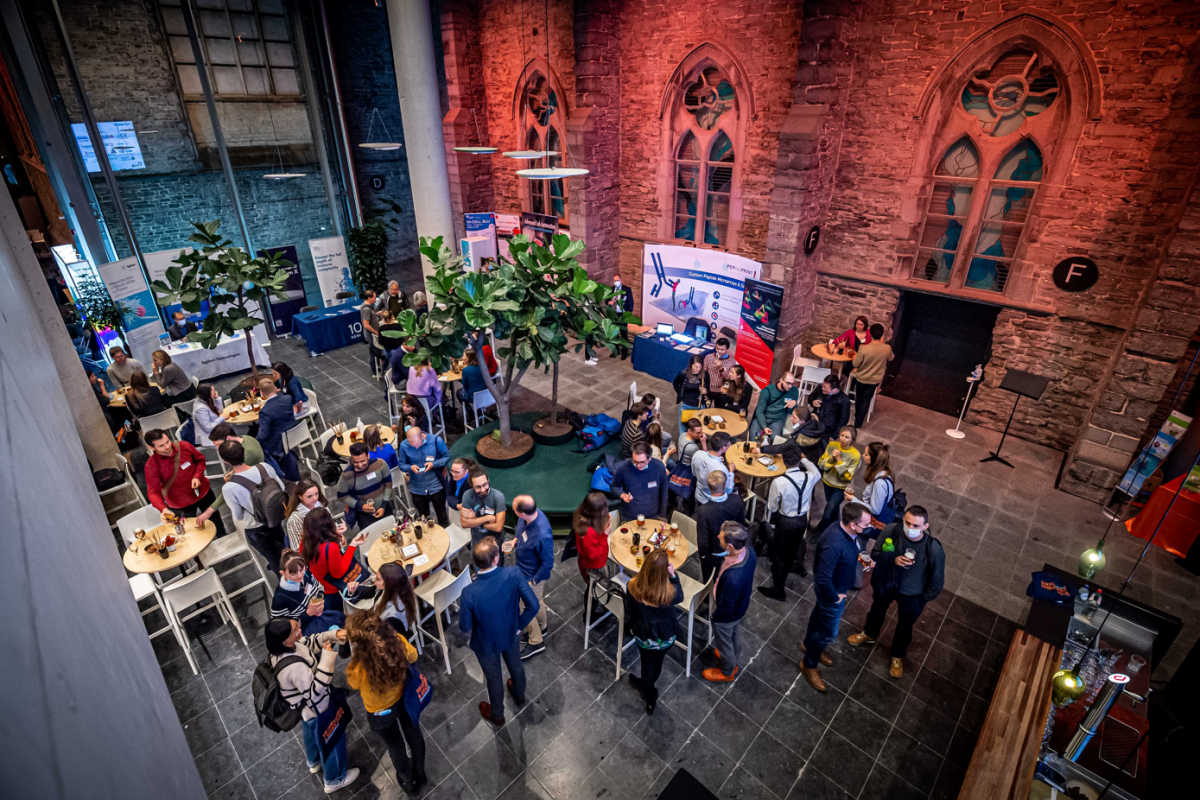
At this workshop, we will bring together the international diatom community for the 8th time to present and to discuss the latest developments in the field of molecular diatom research. Besides an inspiring scientific program with contributions from young researchers as well as leaders in the field, conference participants will have ample networking opportunities during poster sessions, early-career researcher events, as well as the conference dinner and party.

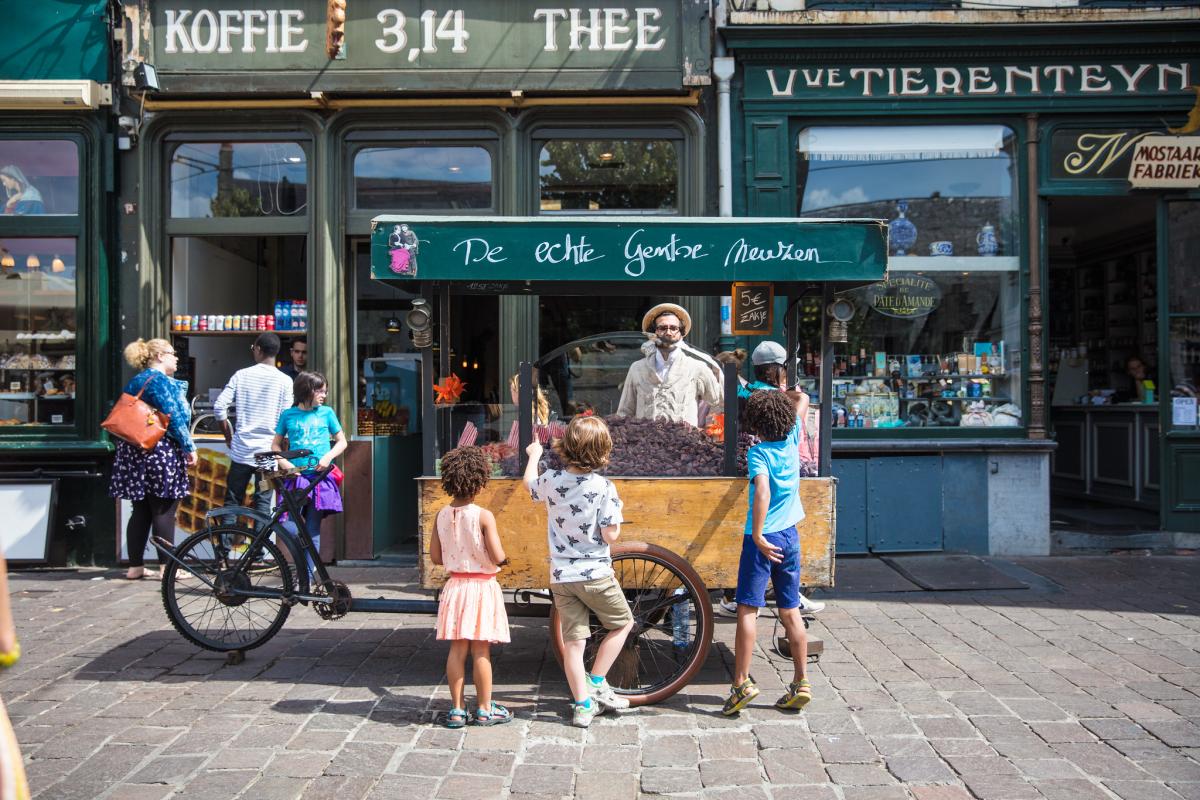
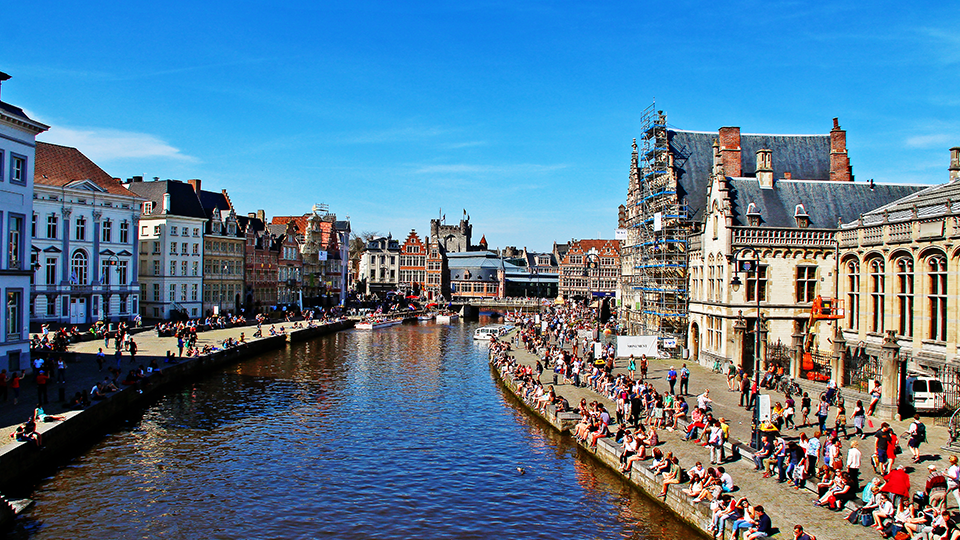
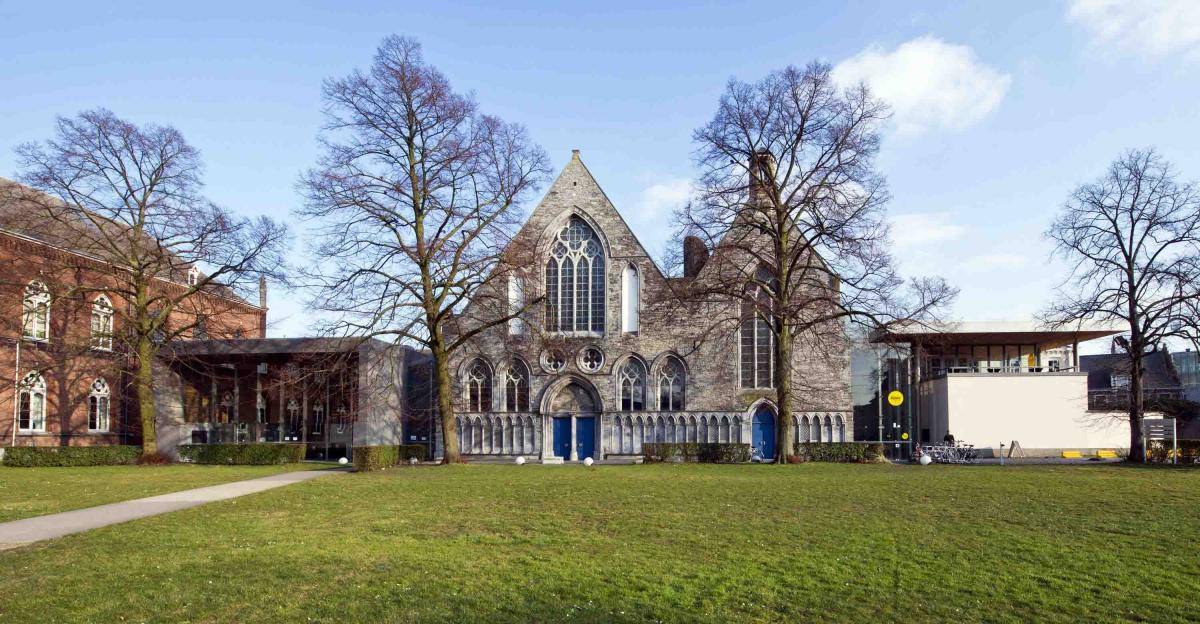
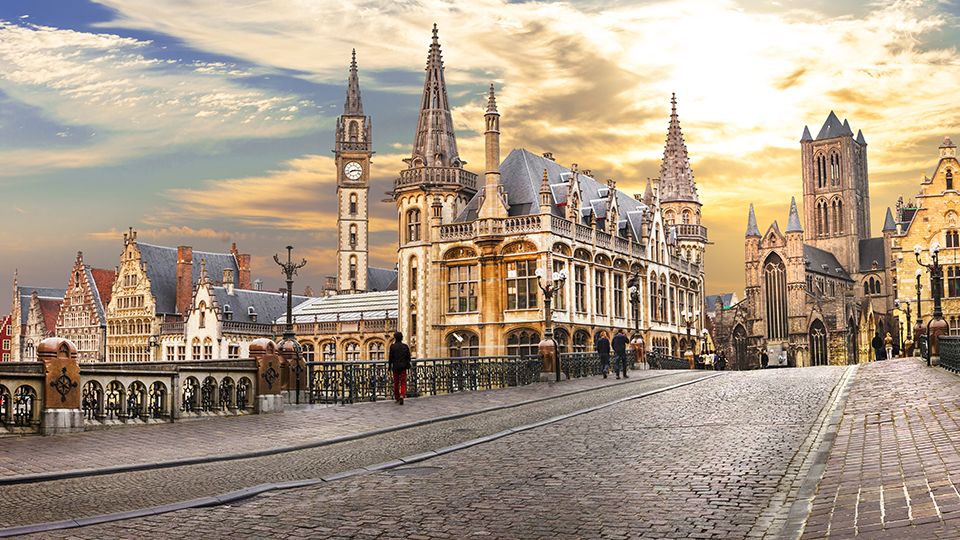
The meeting will provide a relaxed atmosphere at a beautiful location in the historical center of Ghent. Fueled by Belgium’s diverse gastronomy, the meeting will foster scientific interactions and the exchange of ideas between all participants.

Share

Confirmed speakers

Program

Day 2 - Monday, 23 June, 2025

Location: Bijloke

08:45
09:00
Opening by Wim Vyverman
09:00
09:30
Special Key Note
09:00
09:30
Predation in a microbial world
09:30
10:30
Session: Cell Biology

Chair: Angela Falciatore

09:30
10:00
Navigating Complex Paths: Insights into the Molecular Mechanism of Diatom Gliding
10:00
10:15
Structural and Functional Insights into the Diatom Pyrenoid: A Key Organelle for Global CO₂ Fixation

Onyou Nam

University of York, GB
Selected from abstracts
10:15
10:30
Functional and spatial subcompartmentalization along the diatom Rubiscosome

Alexander Schober

Nanyang Technological University, SG
Selected from abstracts
10:30
11:00
Coffee break
11:00
12:00
Session: Cell Biology

Chair: Angela Falciatore

11:00
11:15
Functional characterisation of a new ATP synthase subunit in diatoms

Mathias Penot-Raquin

Institut de Biologie de l'ENS, ENS-PSL, FR; Sorbonne Université, FR; Université Paris-Saclay, FR
Selected from abstracts
11:15
11:30
Identifying protein interactions that control pore formation in diatom biosilica

Tim Gerloff

TU Dresden, DE
Selected from abstracts
11:30
11:45
How to determine the size, properties and subcellular localization of diatoms silicon storage pools

Tobias Reichelt

Bioanalytical Chemistry / Dresden University of Technology, DE
Selected from abstracts
11:45
12:00
Overcoming silica barriers: Ultrastructural expansion microscopy workflow for high-resolution imaging of diatoms

Serena Flori

EMBL, DE
Selected from abstracts
12:00
13:00
Lunch
13:00
14:00
Poster session: Physiology, Ecophysiology, Bio- & Nanotechnology
14:00
15:30
Session: Ecology

Chair: Ginger Armbrust

14:00
14:30
Fungal parasites infecting diatoms: cryptic perturbations of diatom growth, activity and decay

Sponsored by the Gordon and Betty Moore Foundation

14:30
14:45
Diatom ecophysiology in a brighter Arctic Ocean

Johann Lavaud

1CESAM – Centre for Environmental and Marine Studies and Department of Biology, University of Aveiro, PT
Selected from abstracts
14:45
15:00
Diatom metabolism in the southern North Sea: Insights from a three-year metatranscriptomic time series

Michiel Perneel

Flanders Marine Institute (VLIZ), BE; Ghent University, BE; VIB Center for Plant Systems Biology, BE
Selected from abstracts
15:00
15:15
Uncovering the dark-side metabolism of benthic diatoms in redox-dynamic sediments

Elisa Merz

Plant Ecophysiology, University of Konstanz, DE; Max Planck Institute for Marine Microbiology, DE
Selected from abstracts
15:15
15:30
Zooplankton grazing accelerates sexual generation time in pennate diatoms

Darja Belisová

Protistology and Aquatic Ecology, Department of Biology, Ghent University, BE
Selected from abstracts
15:30
16:00
Coffee break
16:00
17:00
Session: Resources and Technical advances

Chair: Klaas Vandepoele

16:00
16:15
Disentangled assembly graphs reveal hidden eukaryotic diversity in metagenomic data

Manon Geerts

Eco-Evo-Devo and Conservation of Fishes, Department of Biology, KU Leuven, BE
Selected from abstracts
16:15
16:30
A genome-wide CRISPR knockout screen for Phaeodactylum tricornutum: method and applications

Lev Tsypin

Stanford University, US
Selected from abstracts
16:30
16:45
Random mutagenesis in diatoms using zeocin

Mirna Sekulic

Ghent University, BE
Selected from abstracts
16:45
17:00
DiatOmicBase: a versatile gene-centered platform for mining functional omics data in diatom research

Chris Bowler

IBENS, FR
Selected from abstracts
17:00
18:30
Poster session: Physiology, Ecophysiology, Bio- & Nanotechnology
17:00
18:00
Meet the expert

Ecology + Cell Biology

19:00
23:00
ECR EVENT

Early Career Event for PhD and (junior) postdoc researchers, providing an opportunity to briefly present their work, exchange ideas and experiences of their research activities as well as regarding personal and professional development.

Day 3 - Tuesday, 24 June, 2025

Location: Bijloke

09:00
10:30
Session: Ecophysiology

Chair: Peter Kroth

09:00
09:30
NPQ in diatoms - the full picture yet?
09:30
09:45
Dynamic regulation of inorganic carbon uptake and phycosphere carbonate chemistry in single diatom cells

Glen Wheeler

Marine Biological Association, GB
Selected from abstracts
09:45
10:00
Decoupling Silicon Metabolism from Carbon and Nitrogen Assimilation Poises Diatoms to Exploit Episodic Nutrient Pulses

Kim Thamatrakoln

Rutgers University, US
Selected from abstracts
10:00
10:15
Heritable diel energy reserves enhance asynchronous growth in a marine diatom

Oliver Müller

Institute of Environmental Engineering, ETH Zürich, CH
Selected from abstracts
10:15
10:30
Diatom responses to rapid light and temperature fluctuations: adaptive strategies and natural variability

Andrei Herdean

University of Technology Sydney, AU
Selected from abstracts
10:30
11:00
Coffee break
11:00
12:00
Session: Genomics/Genetics

Chair: Gust Bilcke

11:00
11:30
The unexpected features of mitotic division in diatoms
11:30
11:45
Stress signatures from the diatom noncoding realm

Helena Cruz de Carvalho

Institut de Biologie de l'ENS (IBENS), FR; Université Paris Est-Créteil (UPEC), Faculté des Sciences et Technologie, FR
Selected from abstracts
11:45
12:00
Decoding epigenetic regulation of transcription : how diatoms repress genes ?

Leila Tirichine

Nantes Université, FR; Nanjing University, School of Life Sciences, CN
Selected from abstracts
12:00
13:00
Lunch
13:00
14:00
Poster session: Cell Biology, Ecology, Symbiosis & other interactions
14:00
15:30
Session: Genomics/Genetics

Chair: Gust Bilcke

14:00
14:30
Development of a Platform for Engineering Synthetic Diatom Genomes
14:30
14:45
Translational efficiency is hard-coded in the model diatom T. pseudonana

David Wiener

School of Oceanography, University of Washington, Seattle, Washington, US
Selected from abstracts
14:45
15:00
Single-cell Transcriptional Profiling Reveals Bet-hedging in Diatoms

Monica Orellana

Institute for Systems Biology, US; University of Washington, US
Selected from abstracts
15:00
15:15
Using single-cell RNA sequencing to uncover the molecular drivers of sexual reproduction in the centric diatom Cyclotella meneghiniana

Nadine Rijsdijk

Laboratory of Protistology and Aquatic Ecology, Ghent University, BE; Department of Plant Biotechnology and Bioinformatics, Ghent University, BE; VIB - Center for Plant Systems Biology, BE
Selected from abstracts
15:15
15:30
Fluorescent reporter lines highlight the complexity of sexual reproduction in the Marine Diatom Cylindrotheca closterium

Arthur Cleyman

VIB Center for Plant Systems Biology, BE; Department of Plant Biotechnology and Bioinformatics, Ghent University, BE
Selected from abstracts
15:30
16:00
Coffee break
16:00
17:00
Session: Genomics/Genetics

Chair: Gust Bilcke

16:00
16:15
Multi modal atlas reveals cellular heterogeneity during sexual reproduction in P. multistriata

Antonella Ruggiero

European Molecular Biology Laboratory, DE; Stazione Zoologica A. Dohrn, IT
Selected from abstracts
16:15
16:30
Transposon Signatures Reveal Recent Hybridization in the Allodiploid Diatom Fistulifera solaris

Hikaru Tago

Tokyo University of Agriculture and Technology, JP
Selected from abstracts
16:30
16:45
Exploring the genetic basis of biosilica pattern formation in the cell wall of Coscinodiscus granii.

Felicity Ashcroft

NTNU, NO
Selected from abstracts
16:45
17:00
Protein targeting to complex plastids of diatoms and the role of the periplastidic compartment

Ansgar Gruber

Biology Centre, Institute of Parasitology, Czech Academy of Sciences, CZ; Faculty of Science, University of South Bohemia, CZ
Selected from abstracts
17:00
18:30
Poster session: Cell Biology, Ecology, Symbiosis & other interactions
17:00
18:00
Meet the expert

Genomics & Physiology

Day 4 - Wednesday, 25 June, 2025

Location: Bijloke

09:00
10:30
Session: Evolution

Chair: Eveline Pinseel

09:00
09:30
Phylogenomic insights into the evolution of diatoms
09:30
09:45
The importance of the fossil record in molecular studies on diatoms.

Karolina Bryłka

Department of Geology, Lund University, SE
Selected from abstracts
09:45
10:00
Exploring the evolution of sex determination mechanism in Pseudo-nitzschia

Andrea Broccoli

Stazione Zoologica Anton Dohrn, IT
Selected from abstracts
10:00
10:15
Specialized silicon transporters mark key transitions in the sexual reproduction cycle of Pseudo-nitzschia multistriata

Tobias Gerber

EMBL Heidelberg, DE
Selected from abstracts
10:15
10:30
Salty shapeshifter: Responses of Phaeodactylum tricornutum to long-term salinity changes

Sonja Repetti

University of Helsinki, FI
Selected from abstracts
10:30
11:00
Coffee break
11:00
12:00
Session: Evolution

Chair: Eveline Pinseel

11:00
11:30
Endosymbiotic diatoms reveal the process of chloroplast creation
11:30
11:45
Pan-Genome Insights into a Key Marine Diatom : Chaetoceros

Bastien Camillo

IBENS / CNRS, FR
Selected from abstracts
11:45
12:00
The origins of death at sea: Characterizing conserved cell death genes in distant algae

Avia Mizrachi

Weizmann Institute of Science, IL
Selected from abstracts
12:00
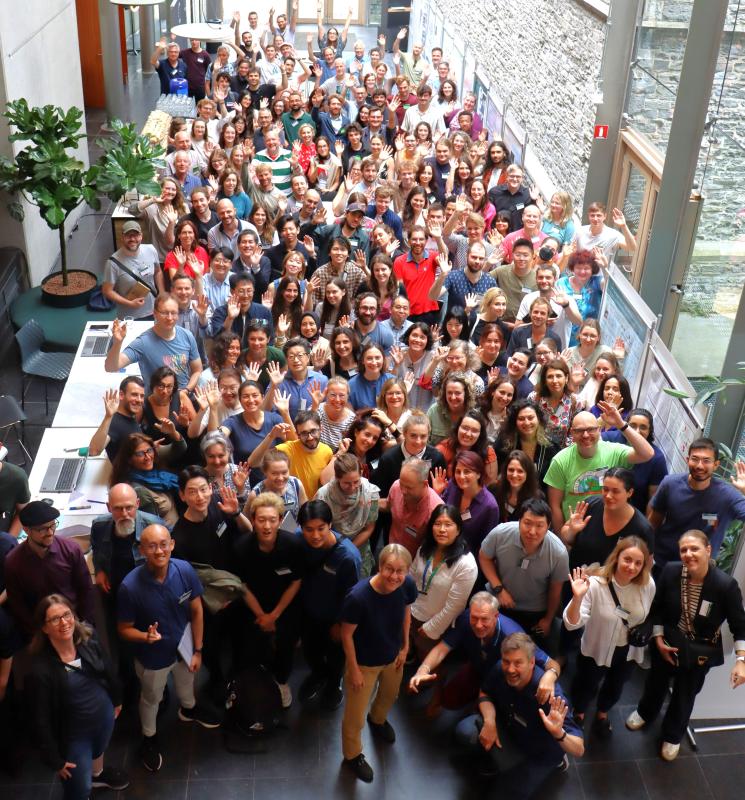
Group picture
12:00
13:00
Lunch
13:30
15:00
Session: Bio/Nanotechnology

Chair: Nils Kröger

13:30
14:00
Domestication of algae bio-factories: metabolic mapping and engineering of diatoms
14:00
14:15
Polyamines of Unique Structure are Integrated in Synura echinulata Biosilica

Oliver Reinke

Technical University Dresden, DE
Selected from abstracts
14:15
14:30
Enhancing Squalene Production in Phaeodactylum tricornutum through Genome-Scale Metabolic Engineering

Sabine van Oossanen

Institute of Green Technology, University of Southern Denmark, DK
Selected from abstracts
14:30
14:45
Enhancement of free fatty acid secretion in the marine diatom Fistulifera solaris via long-chain acyl-coa synthetase silencing

Tomoki Yamanaka

Tokyo University of Agriculture and Technology, JP
Selected from abstracts
14:45
15:00
Enabling production of the low-abundance carotenoid diatoxanthin at industrial level using a P. tricornutum double knockout mutant

Marianne Nymark

SINTEF Ocean, NO
Selected from abstracts
15:00
15:30
Coffee break
15:30
17:00
Session: Symbiosis & other biotic interactions

Sponsored by the Gordon and Betty Moore Foundation

Chair: Flora Vincent

15:30
16:00
The role of behaviour in diatom-bacteria interactions
16:00
16:15
Open ocean bacteria pathogenicity switch upon interaction with susceptible diatoms

Shiri Graff van Creveld

University of Washington, US
Selected from abstracts
16:15
16:30
Microbial ensembles and parasitic decomposers: A multi-omics investigation of a freshwater diatom, a fungal parasite, and the associated bacteria

Connor Lawrence

Leibniz Institute for Baltic Sea Research, Warnemuende (IOW), DE
Selected from abstracts
16:30
16:45
Vitamin B6 Derivatives Mediate Communication Between Diatoms and Bacteria

Shady Amin

New York University Abu Dhabi, AE; New York University, US
Selected from abstracts
16:45
17:00
Systems-level responses to iron deficiency in the Phaeodactylum tricornutum microbiome

Naomi Gilbert

Physical and Life Sciences, Lawrence Livermore National Laboratory, US
Selected from abstracts
17:00
18:00
Meet the expert

Evolution, Symbiosis & Bio/Nanotech

Day 5 - Thursday, 26 June, 2025

Location: Bijloke

10:30
12:00
Session: Physiology

Chair: Pierre Cardol

10:30
11:00
Using PSII photoprotection as a gauge to study the light-driven orchestration of photosynthesis and cellular metabolism
11:00
11:15
Evolution and mechanisms of Lhcx-dependent photoprotection in the diatom Chaetoceros gracilis

Minoru Kumazawa

Graduate School of Agriculture, Kyoto University, JP; Institute of Low Temperature Science, Hokkaido University, JP
Selected from abstracts
11:15
11:30
Light and CO₂-Dependent Regulation of the Light-Harvesting Antenna in the diatom Chaetoceros gracilis

Midori Nakamura

Div. Appl. Life Sci., Grad. Sch. Agri., Kyoto Univ., JP
Selected from abstracts
11:30
11:45
Characterization of excitation energy and electron flow in the diatom Chaetoceros gracilis with a truncated PSI-LHCI supercomplex

Kentaro Ifuku

Graduate School of Agriculture, Kyoto University, JP
Selected from abstracts
11:45
12:00
The Phaeodactylum tricornutum RITMO1: an entry point for the discovery of the circadian clock system and circadian regulation in marine diatoms

Raphaël Monteil

Sorbonne Université, Institut de Bi, FR
Selected from abstracts
12:00
13:00
Lunch
13:00
14:00
Poster session: Evolution and Genomics/Genetics
14:00
14:30
Session: Physiology

Chair: Pierre Cardol

14:00
14:15
Impact of nitrate, and nitrate assimilation impairment, on primary and secondary metabolites in the model diatom Phaeodactylum tricornutum

Carla Uranga

J. Craig Venter Institute, LaJolla, US
Selected from abstracts
14:15
14:30
The role of cytosolic θ-type carbonic anhydrases in Phaeodactylum tricornutum.

Atsuki Osawa

Grad. Sch. of Sci. and Tech., Kwansei Gakuin Univ., JP
Selected from abstracts
14:30
15:30
Session: Cell Signaling

Chair: Nicole Poulsen

14:30
15:00
Molecular integration of P and N signalling systems in marine diatoms
15:00
15:15
Diatoms nitrate transporters as regulators of intracellular nitrogen dynamics and ion balance in a changing environment

Alessandra Rogato

nstitute of Biosciences and BioResources, CNR, IT; Stazione Zoologica Anton Dohrn, IT
Selected from abstracts
15:15
15:30
How transcription factors shape diatom life

Peter Kroth

Fachbereich Biologie, Universität Konstanz, DE
Selected from abstracts
15:30
16:30
Coffee break
15:30
17:00
Poster session: Evolution and Genomics/Genetics
15:30
16:30
Meet the expert

Ecophysiology & Cell Signaling

17:00
17:30
Closing ceremony

Organizing committee

Pierre Cardol

Université de Liège, BE

Koenraad Muylaert

KU Leuven, BE

Klaas Vandepoele

Ghent University/ VIB Center for Plant Systems Biology, BE

Wim Vyverman

Ghent University, Department of Biology, BE

Bart Van de Vijver

Universiteit Antwerpen/ Meise Botanic Garden, BE

Andy Allen

Scripps Institution of Oceanography, US

Hanhua Hu

Institute of Hydrobiology, Chinese Academy of Sciences, CN

Flora Vincent

European Molecular Biology Laboratory, DE

Ginger Armbrust

University of Washington, School of Oceanography, US

Gust Bilcke

Ghent University/ VIB Center for Plant Systems Biology, BE

Angela Falciatore

Sorbonne University, Institut de Biologie, FR

Andrei Herdean

University of Technology, AU

Shinya Sato

Fukui Prefectural University, Department of Marine Bioscience, JP

Eveline Pinseel

Ghent University, BE

Svitlana Lukicheva

UGent/VIB Center for Plant Systems Biology, BE

Anne Willems

Ghent University, BE

Abstracts

Poster information
The format for your poster should be: A0 (841 x 1189 mm / 33.1 x 46.8 in), portrait orientation.
The full list of abstracts will be available on 22-05-2025 until 26-09-2025
This list will only be available for registered attendees of the event.

Attendees

The full list of attendees will be available on 22-05-2025 until 26-09-2025
This list will only be available for registered attendees of the event.