
From 3D Light to 3D Electron Microscopy
19-22 March 2024, Ghent, Belgium
This event is sold-out
This event on Correlative Light & Electron Microscopy (CLEM) is jointly organized by ZEISS, The Francis Crick Institute, EMBL and VIB.
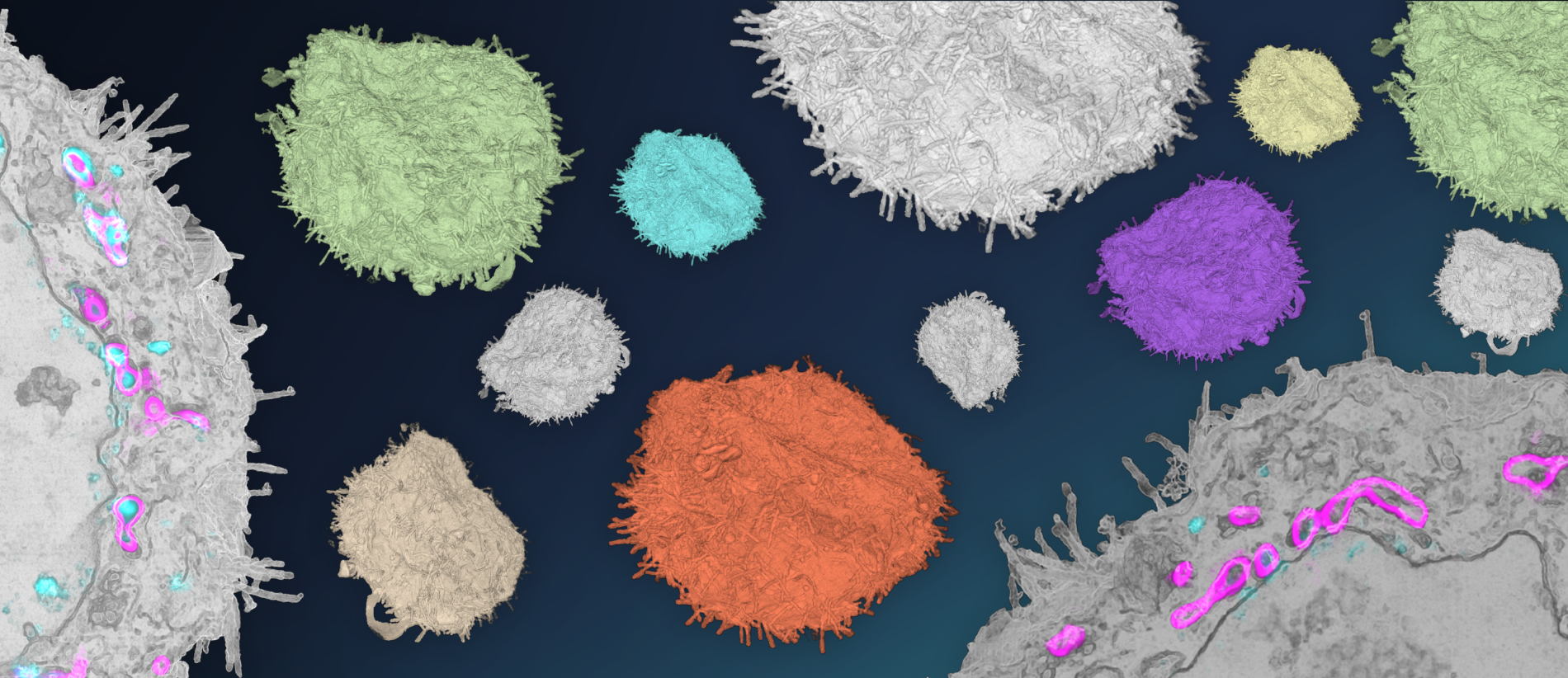
Imaging life in 3 dimensions and in its most natural form – when imaging biological samples with both light and electron microscopy, the main goal is to elucidate biological processes and their ultrastructural context in three dimensions. In most recent years, technology has pushed the resolution limits in light microscopy and volume-EM methods were named one of 7 technologies to watch by Nature magazine.
When using correlative, or multimodal microscopy, a large variety of different imaging techniques can be combined. New and improved workflows combining two, or more imaging modalities are enabling more detailed insights into biological processes than ever before.
The datasets generated by these new workflows are increasingly large and complex. New developments in data management not only focus on image processing and visualization of these large datasets, but also on i.e. file compatibility, big data handling and storage.
This event will combine scientific sessions with a broad range of workshops where correlative workflows, tools, tips & tricks will be shared between participants and trainers/speakers.
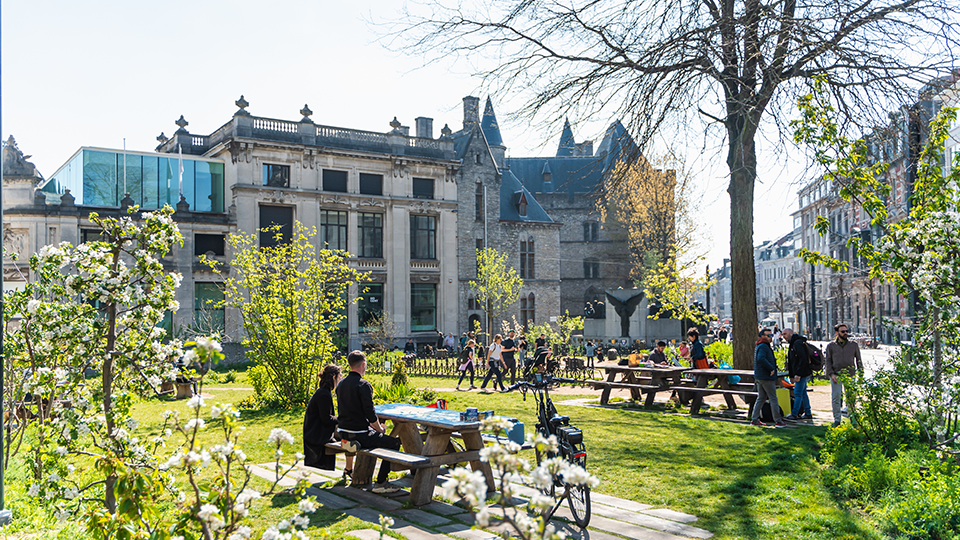
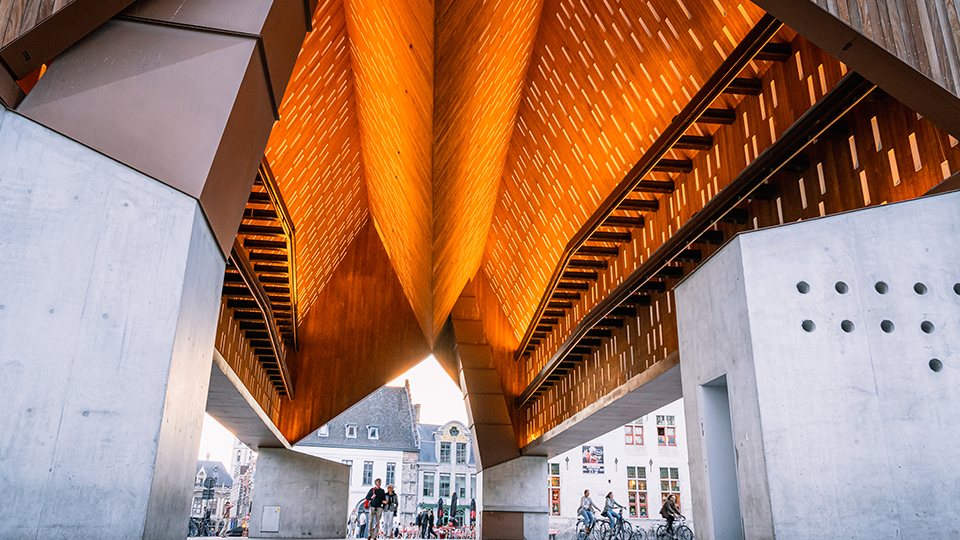
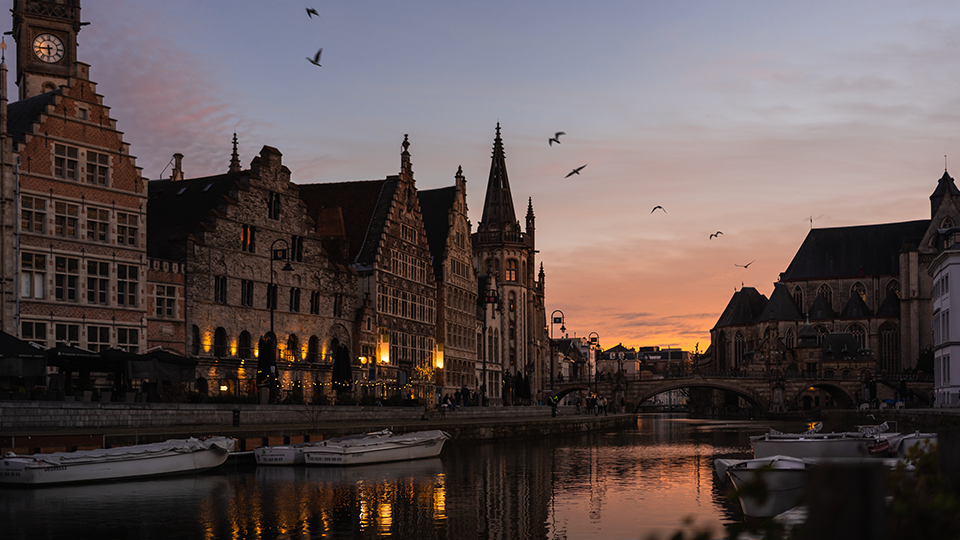
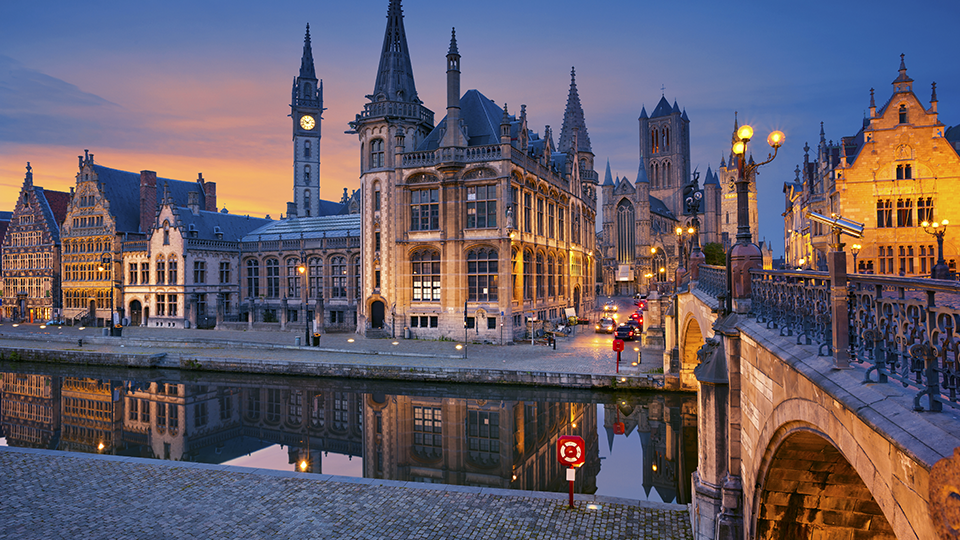
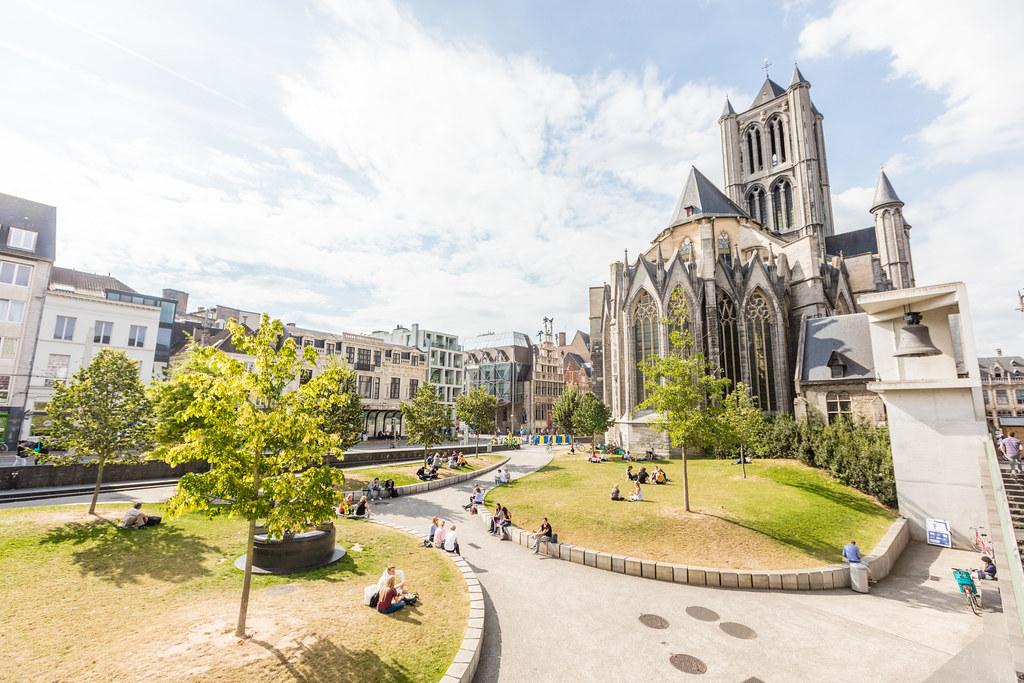
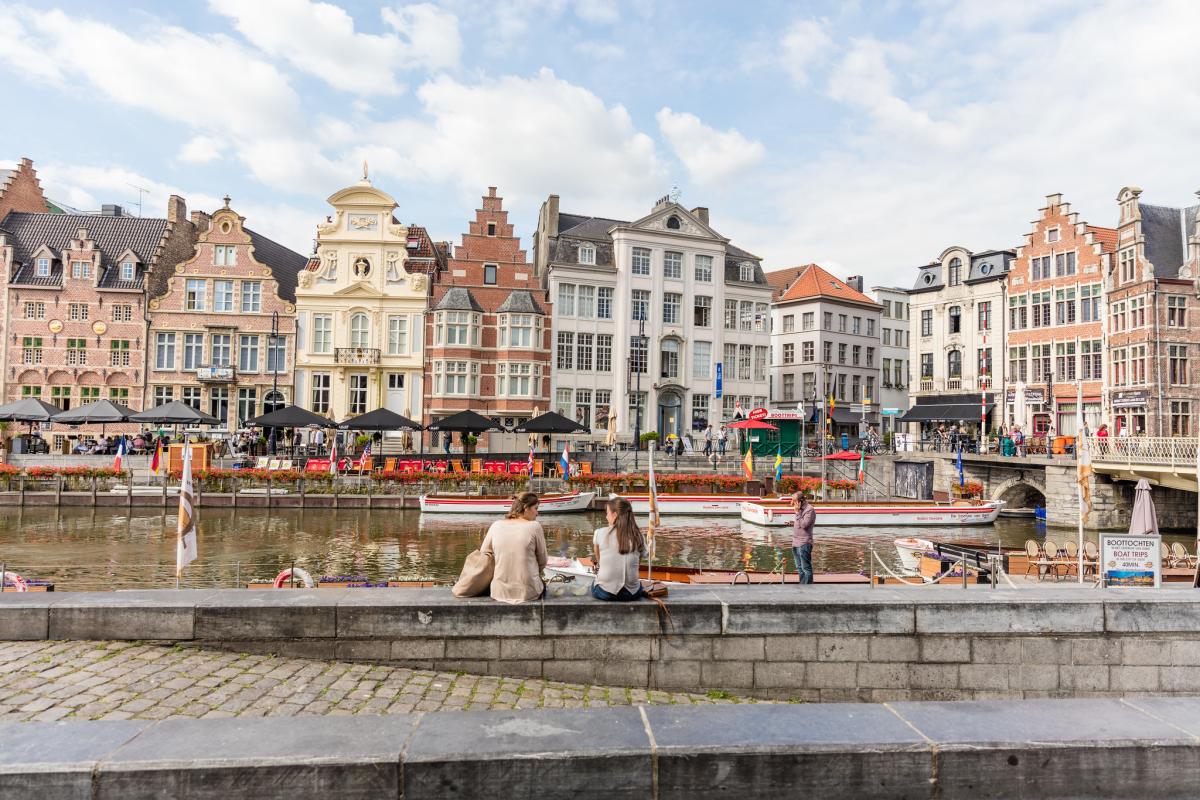
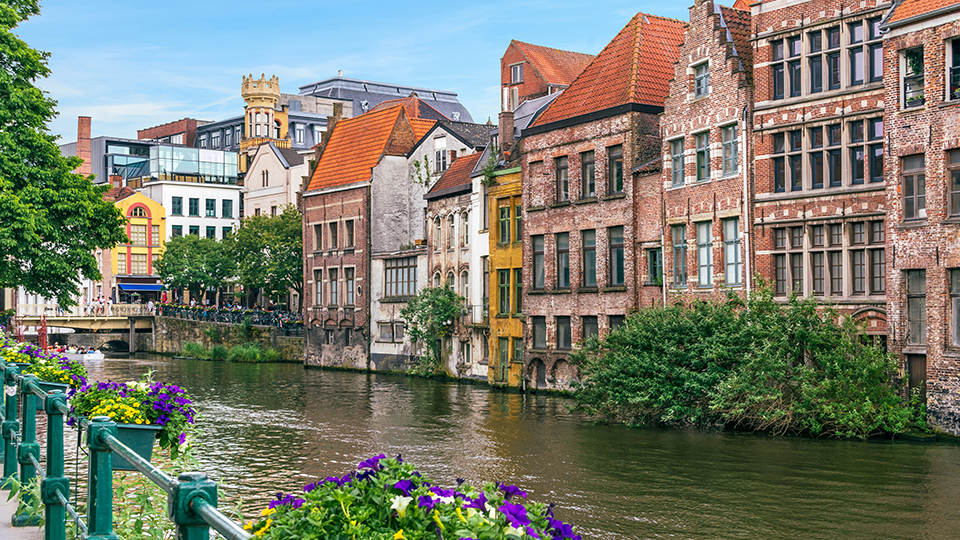
Host City: Ghent
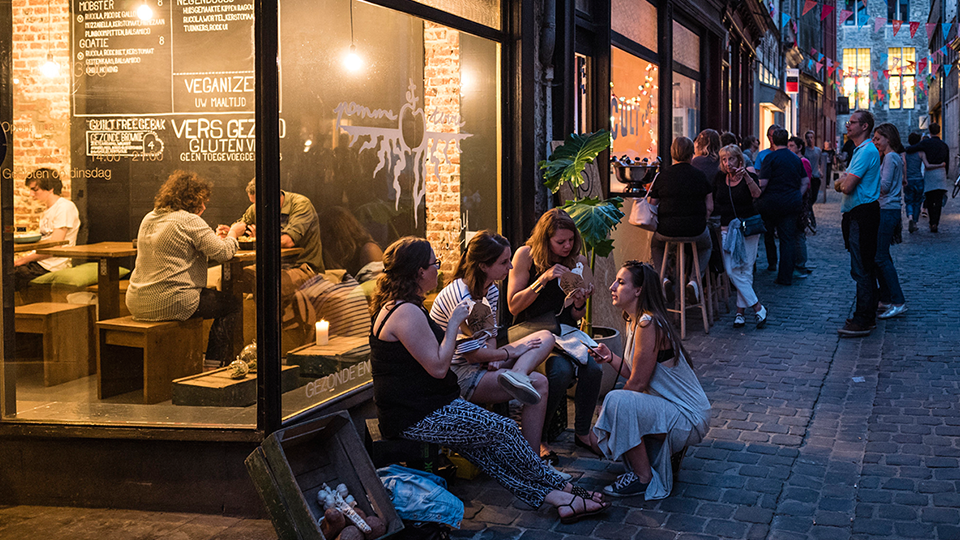
Want to know more about the host city of this conference? Find out where the best restaurants, bars, or last-minute print shops are. Check the city page here.

Address: Oude Vismijn - Sint-Veerleplein 4, 9000 Gent (See map)
Session chair: Erin Tranfield
Additional fee
Address: Technologiepark-Zwijnaarde 71, 9052 Gent
08:00 Bus Transfer (More info)
Session chair: Paolo Ronchi
Session chair: Saskia Lippens
Address: Technologiepark-Zwijnaarde 71, 9052 Gent
08:00 Bus transfer (More info)
Session chair: Lucy Collinson
Session chair: Yannick Schwab
This network reception is included in your registration.
Address: Technologiepark-Zwijnaarde 71, 9052 Gent
08:00 Bus transfer (More info)
Session chair: Anneke Kremer
Poster information
The format for your poster should be: A0 (841 x 1189 mm / 33.1 x 46.8 in), portrait orientation.
If you're not registered before 20 February 2024, your abstract will be excluded from the abstract list and you will not have the chance to present your work at the conference.
-