Asset 2 Conferences
Neuroscience

The Brain Mosaic: Cellular heterogeneity in the CNS (3rd edition)

10-11 October 2024, Leuven, Belgium

Campaign image - The Brain Mosaic: Cellular heterogeneity in the CNS (2nd edition)

The Brain Mosaic: Cellular heterogeneity in the CNS (3rd edition)

The Brain Mosaic: Cellular heterogeneity in the CNS (3rd edition)
Keep me postedAdd to calendar

At the first edition in 2016, we began to see how single-cell and spatial multi-omics were going to revolutionize the field. Today, an avalanche of new techniques and data sets are probing broader and deeper into the brain, bridging the omics layers and aiming to make the connection with the functional neuronal circuits that underlie complex behavior.

For the third edition of this meeting, 19 internationally renowned experts confirmed to join and emphasize the multi-disciplinary nature of the field in several sessions:

  • Neurodevelopment and neurodegeneration
  • Computational analysis
  • From Atlassing to therapy
  • Evolution and cellular complexity of the brain

Workshop
Preceding The Brain Mosaic conference, Electrophysiological Signatures: Bridging the Gap from Cellular Dynamics to Brain Disorders will take place, on 9 October. This workshop dives into Neuropixels recordings, a powerful technique for capturing neural activity from freely moving animals over extended periods. For more information, click here.

Abstracts & travel grants
The deadline for short talks, posters and travel grants has passed..

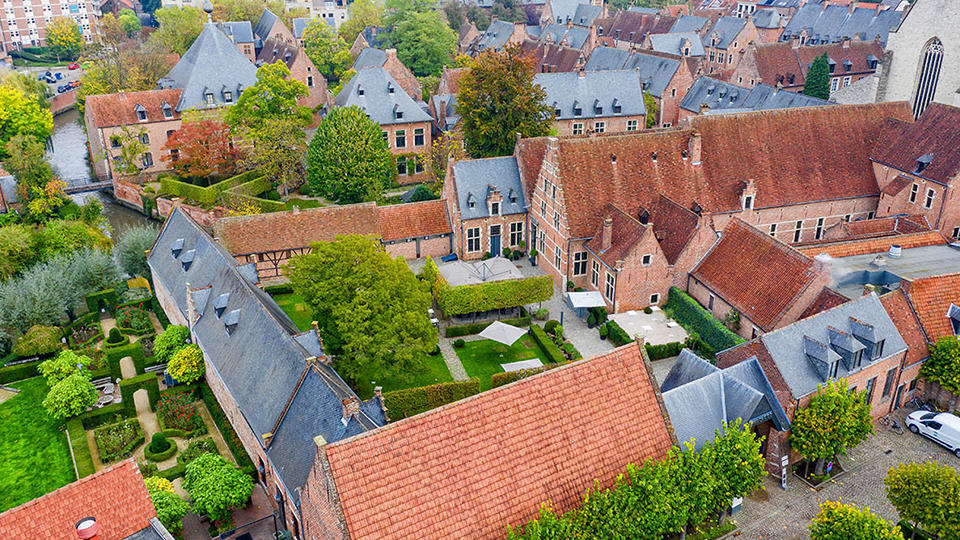
Host City: Leuven
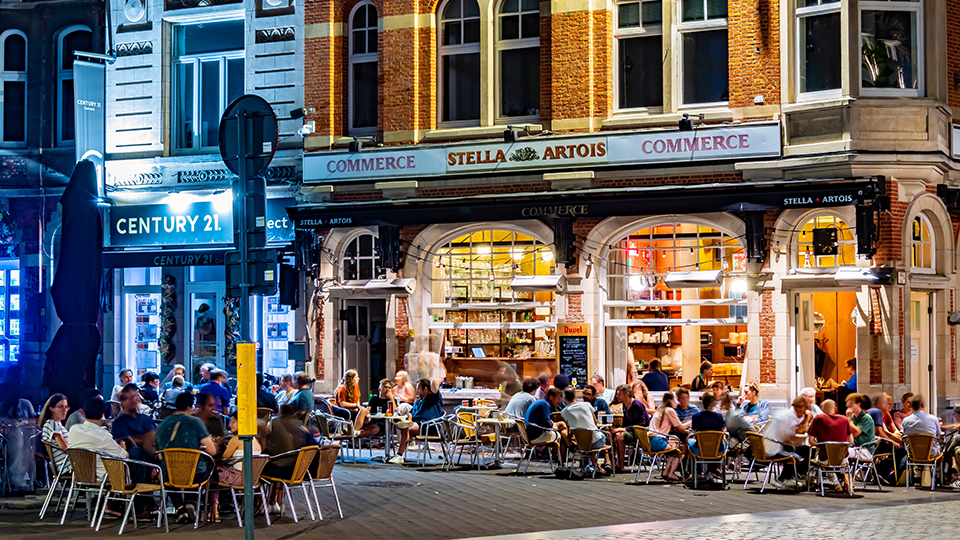
Want to know more about the host city of this conference? Find out where the best restaurants, bars, or last-minute print shops are. Check the city page here.

Share

Confirmed speakers

Esther Klingler
Esther Klingler - Profile Picture
Esther Klingler

Esther Klingler

VIB-KU Leuven Center For Neuroscience; Leuven Brain Institute; Leuven Institute for Single-Cell Omics, BE

Program

Day 1 - Thursday, 10 October, 2024

08:20
08:50
Registration & welcome coffee
08:50
09:00
Welcome
09:00
09:45
Opening Keynote
09:00
09:45
Futile wound healing drives ‘mesenchymal’ cell states in glioblastoma
09:45
13:05
Session 1: Neurodevelopment & neurodegeneration
09:45
10:15
Defining the Dynamic Human Infant Brain
10:15
10:45
Building brain circuits: interplay between intrinsic programs and environment

Esther Klingler

VIB-KU Leuven Center For Neuroscience; Leuven Brain Institute; Leuven Institute for Single-Cell Omics, BE
10:45
11:15
Coffee break
11:15
11:45
Human brain cell atlases and their application to disease

Ed Lein

Allen Institute for Brain Science, US
11:45
12:15
Distinct cellular communities drive trajectories towards either Alzheimer’s disease or alternative brain aging
12:15
12:45
Neuro-glia interactions shaping the alzheimer's cascade

Naomi Habib

The Hebrew University of Jerusalem, Center for Brain Sciences, IL
12:45
13:00
A single-cell atlas of a hibernating brain reveals signatures of Alzheimer’s disease inflammation in glia

Pablo Largo-Barrientos

VIB-KU Leuven Center for Brain & Disease Research, BE
Selected from abstracts
13:00
13:05
Any sample type, any biomarker

Emmanuelle Verdecchia

Bio-Techne, BE
Sponsored talk
13:05
14:00
Lunch
14:00
15:00
Poster session 1
Odd numbers
15:00
18:00
Session 2: Computational analysis
15:00
15:30
Leveraging massive fMRI data sets and deep learning to synthesize images preferred by higher visual system areas

Katja Seeliger

Max Planck Institute for Human Cognitive and Brain Sciences, DE
16:00
16:15
An integrated transcriptomic cell atlas of human neural organoids

Zhisong He

Department of Biosystems Science and Engineering, ETH Zürich, CH; Institute of Human Biology, CH
Selected from abstracts
16:15
16:30
Genetics profoundly shape the in vivo transcriptomic response of human microglia to amyloid-beta pathology

Annerieke Sierksma

Department of Neurosciences and Leuven Brain Institute, KU Leuven, BE; VIB-KU Leuven Center for Neuroscience, BE
Selected from abstracts
16:30
17:00
Coffee break
17:00
17:30
A high-resolution transcriptomic and spatial atlas of cell types in the whole mouse brain
17:30
18:00
Identifying gene regulatory networks driving microglial phenotypes in neurodegenerative disease
18:00
19:00
Reception

Included in your registration.

19:00
22:00
Social activity + Conference dinner

Additional fee.

Day 2 - Friday, 11 October, 2024

08:45
09:15
Welcome coffee
09:15
12:30
Session 3: From Atlassing to therapy
09:15
09:45
Characterizing Diverse Cell Types in the Developing Human Brain and Brain Cancer
09:45
10:15
Neuron-glial interactions in brain health and disease
10:15
10:45
Enhancer-AAVs enable circuit access across species and circuit selective therapies
10:45
11:15
Coffee break
11:15
11:45
Spatially resolved single-cell genomics and cell atlas of the brain.
11:45
12:15
Modeling and repairing the human brain with stem cells

Agnete Kirkeby

Novo Nordisk Foundation Center for Stem Cell Medicine (reNEW), University of Copenhagen, DK
12:15
12:30
TREM2-dependence of Microglial Activation in Alzheimer's Disease

Maggie Crow

Genentech, Inc., US
Selected from abstracts
12:30
13:30
Lunch
13:30
14:30
Poster session 2

Even numbers

14:30
17:30
Session 4 : Evolution and cellular complexity of the brain
14:30
15:00
Building Bilaterian Brains: Innovations in Molecular Machinery, NeuronTtypes and Circuits
15:00
15:30
Modeling, design, and evolution of transcriptional enhancers in the brain
15:30
15:45
Dense, Synapse-level Reconstruction of Mammalian Brain Tissue with Light Microscopy

Mojtaba Tavakoli

Institute of Science and Technology Austria, AT
Selected from abstracts
15:45
16:00
Developing the spatial transcriptomics method coppaFISH 3D to study the effect of amyloid-beta on the cell types that accumulate tau pathology in mice

Izzie Prankerd

University College London, GB; UK Dementia Research Institute, GB
Selected from abstracts
16:00
16:30
Coffee break
16:30
17:00
Defining tetrapod motor circuits across frog metamorphosis and vertebrate evolution.
17:00
17:30
Neuronal Cell Type Specific Progression of Alzheimer's Disease-related Pathology
17:30
17:40
Closing words & poster prize

Organizing committee

Abstracts

Poster information
The format for your poster should be: A0 (841 x 1189 mm / 33.1 x 46.8 in), portrait orientation. All accepted poster submissions will have a chance to win the Nature Neuroscience Poster Prize!

If you're not registered before 12 September 2024, your abstract will be excluded from the abstract list and you will not have the chance to present your work at the conference.


The full list of abstracts will be available on 24-09-2024 until 10-01-2025
This list will only be available for registered attendees of the event.

Attendees

The full list of attendees will be available on 24-09-2024 until 10-01-2025
This list will only be available for registered attendees of the event.